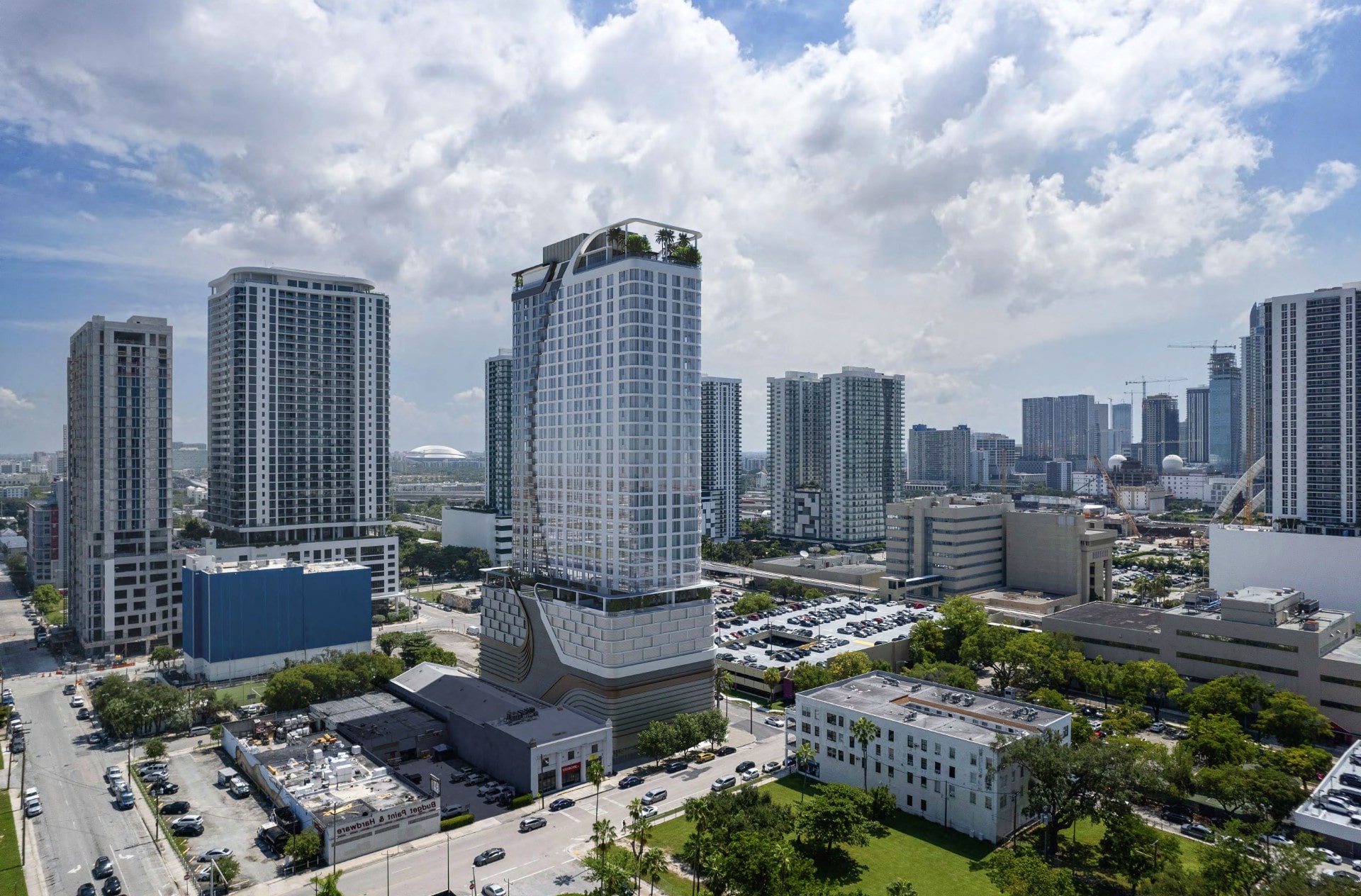
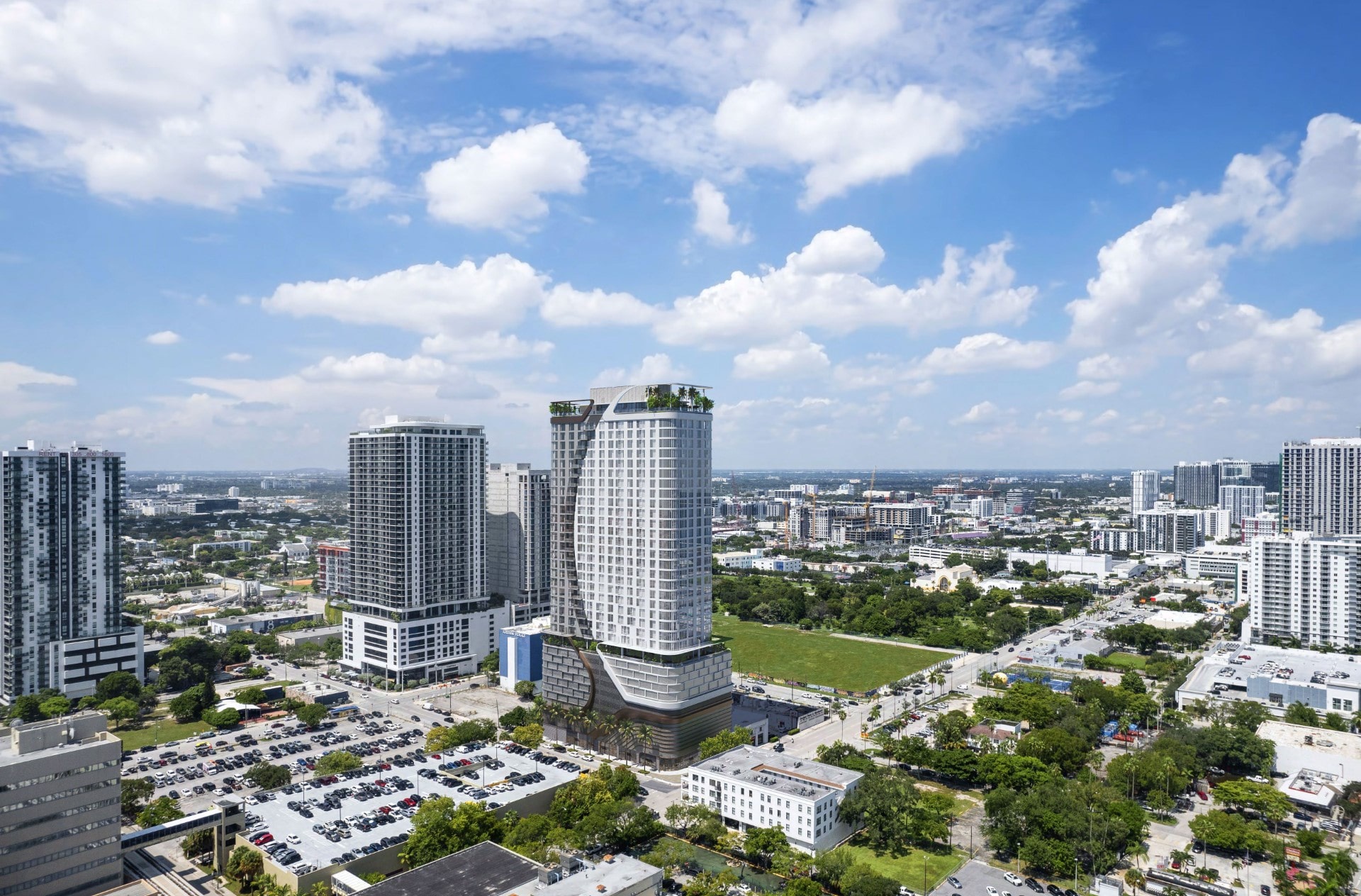
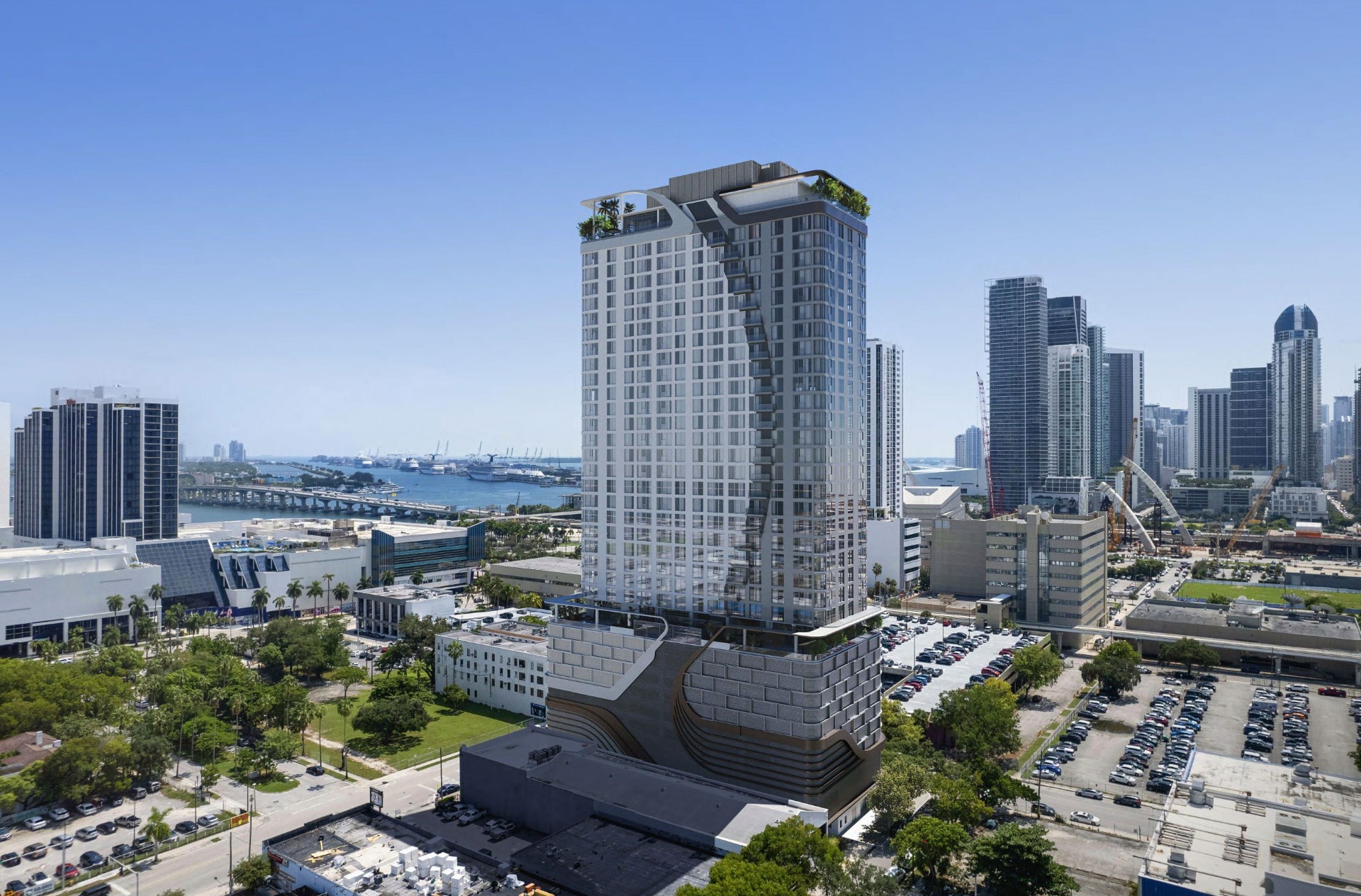
A 33-story mixed-use tower at 1600 NE 2nd Avenue in Miami has cleared the city’s Urban Development Review Board and entered the construction permitting phase. The land has been cleared for 1600 Edgewater, a development by Sabet Group.
Read more: 1600 Edgewater: 33-Story Miami Tower Wins UDRB Approval, Construction UnderwayDesign and Units
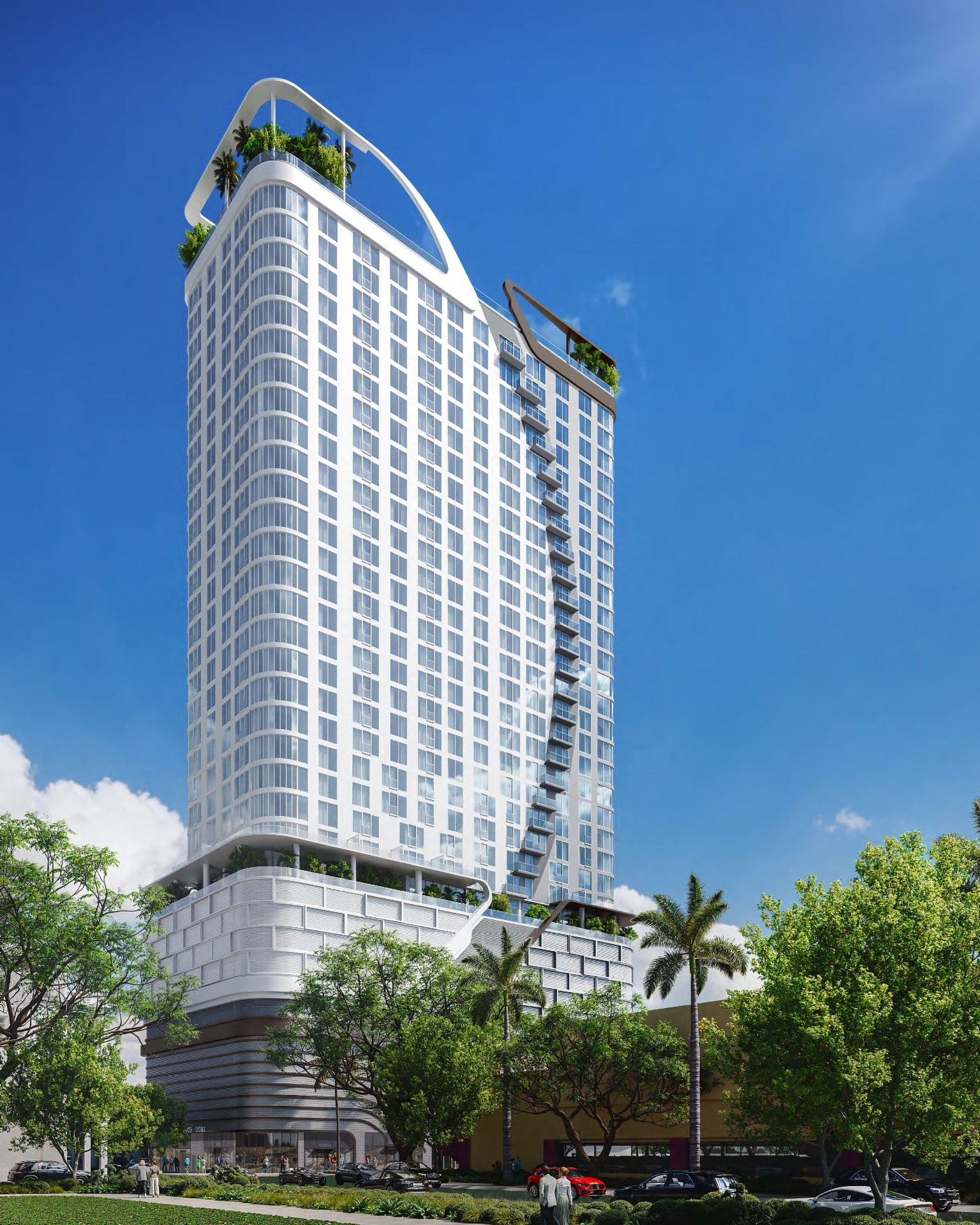
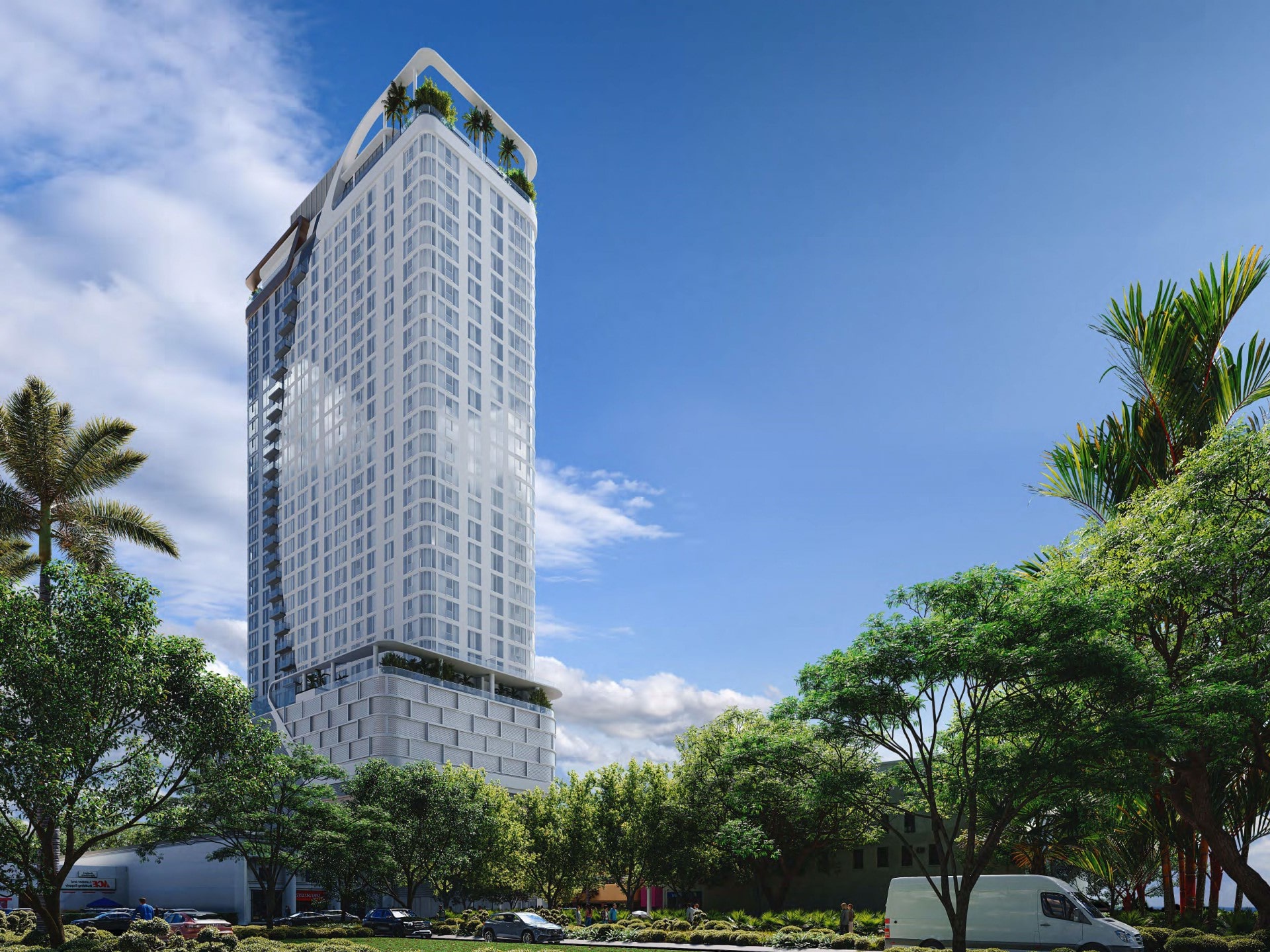
Kobi Karp Architecture & Interior Design is handling the design. The tower rises 381 feet and holds 282 residential units, split between 262 market-rate apartments and 20 affordable units. Kobi Karp drew inspiration from Biscayne Bay, Wynwood, and Miami’s evolving skyline, describing the project as “a celebration of Edgewater’s character and urban growth.”
Location and Neighborhood
The address sits on the boundary between two neighborhoods. The project carries the Edgewater name, but technically lands inside the Arts & Entertainment District. Edgewater begins on the other side of the street.
Commercial Space and Approvals
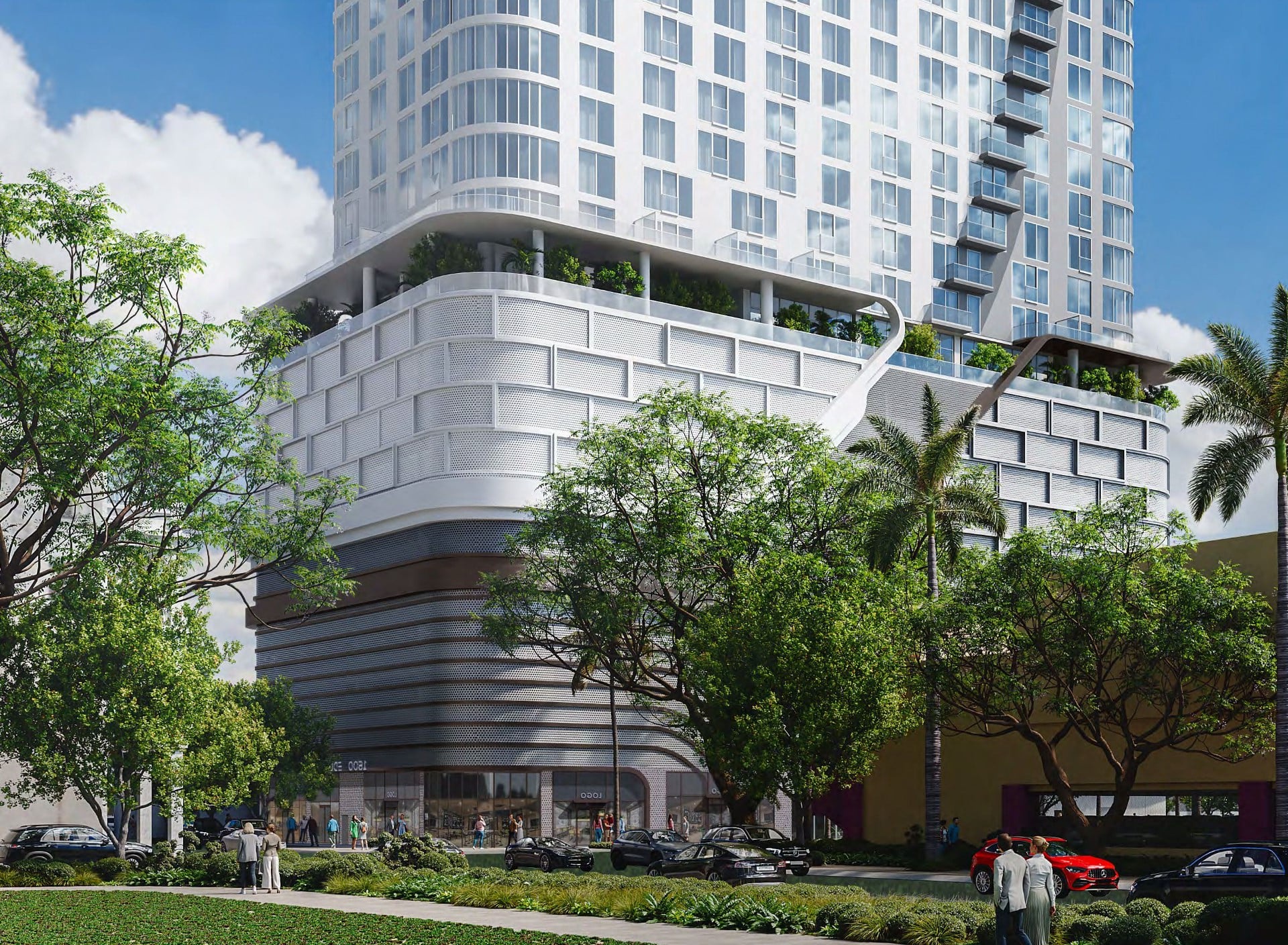
Commercial space totals 6,615 square feet: 5,539 on the ground floor and 1,077 on the rooftop. Sabet Group has finalized a utilities agreement, and the UDRB unanimously recommended approval in March 2025 following design revisions.
Parking
On parking, the project includes an eight-story structured garage with 328 spaces. That’s a standard residential build-out under Miami 21, the city’s form-based zoning code. Nearby towers classified as lodging developments face lighter parking minimums under the same code — a distinction that drew scrutiny in Edgewater when Miami New Times reported on the issue in November 2025.
Miami 21 and Florida’s Parking Standards
Miami 21, adopted in 2009, is one of the more progressive urban zoning codes in the state. In high-density T6 zones like the one 1600 Edgewater sits in, parking minimums are reduced or waived entirely for projects near transit corridors. Most other Florida cities still require 1.5 to 2 spaces per residential unit as a hard floor. At 328 spaces for 282 units, the garage here likely reflects a developer choice as much as a code requirement.
Official project website not found at time of publication.

Florida Condo News staff coverage of preconstruction developments, building news, and market updates across Florida.